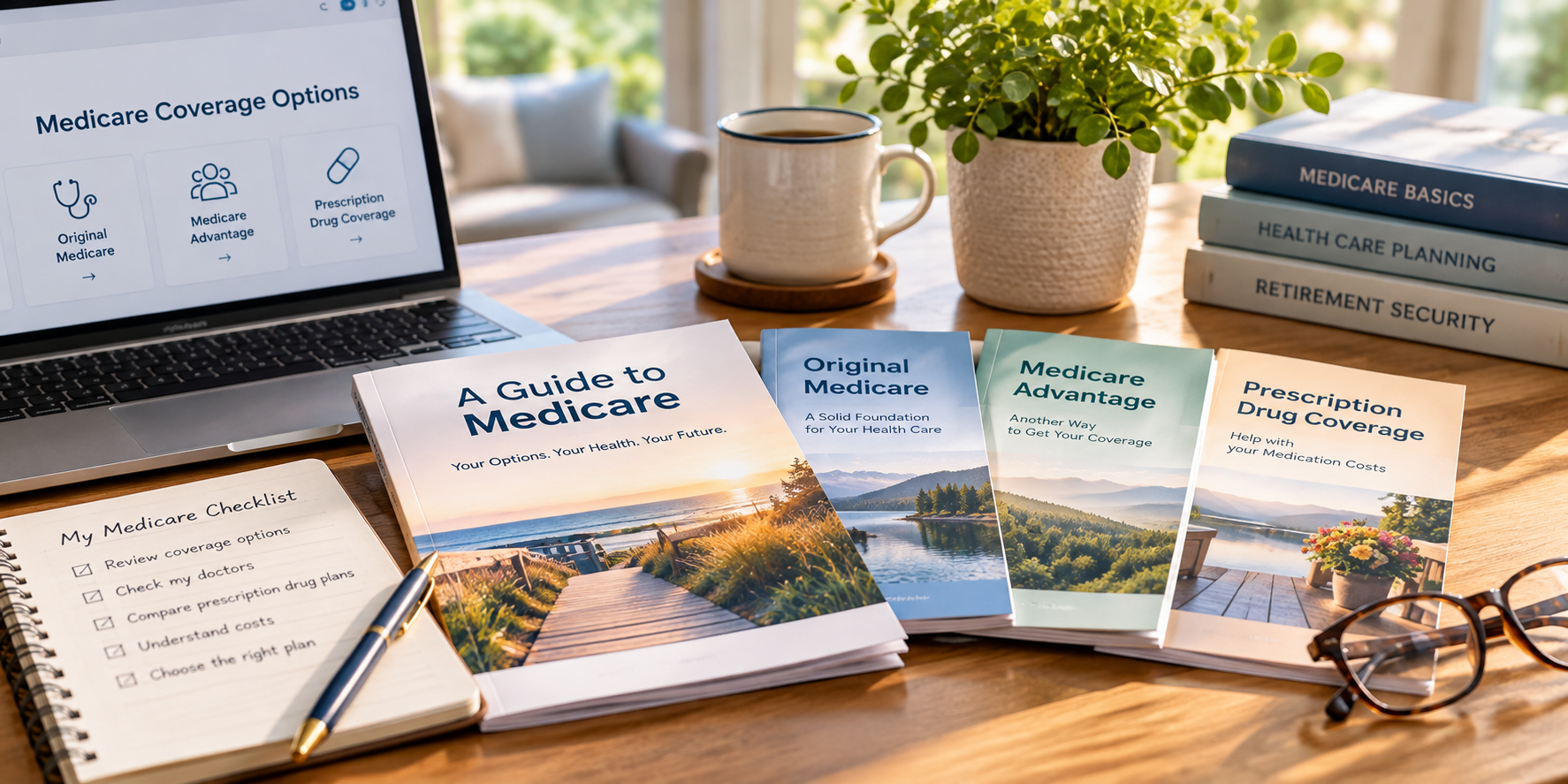
A person approaching age 65 may have spent decades paying for health insurance without giving much thought to prescription drug coverage. Perhaps they take no medications, or their prescriptions cost so little that insurance hardly seems necessary. When Medicare enrollment arrives, the prospect of paying another monthly premium can raise a reasonable question: What actually happens if they decide not to enroll in Medicare Part D?
The answer is more complicated than simply going without prescription insurance. Medicare Part D is generally optional, and declining it does not automatically cancel Medicare hospital or medical coverage. However, going without qualifying prescription benefits can expose someone to unexpected medication expenses, restrict when they can obtain coverage, and create a late enrollment penalty that may last for years. The consequences depend on whether the person already has other qualifying drug coverage, how long they remain uninsured, and when they eventually decide to enroll. Understanding these rules before declining Part D can help prevent a short-term savings decision from becoming a long-term financial burden.
Medicare Part D Is Optional, but Prescription Expenses Are Not Always Predictable
Medicare Part D provides prescription drug coverage through private insurance companies approved by Medicare. People with Original Medicare can generally purchase a separate Part D plan, while many Medicare Advantage plans include prescription benefits. These plans help pay for eligible medications, although covered drug lists, premiums, pharmacy networks, and cost-sharing arrangements vary.
Unlike Medicare Part B, which covers physician services and outpatient care, Part D focuses primarily on medications obtained through pharmacies. Original Medicare does not ordinarily pay for most prescriptions taken at home, although Part B covers certain medications administered in medical settings and other qualifying drugs. Someone who declines Part D and has no other prescription insurance may therefore be responsible for the full cost of medications that would otherwise fall under Part D.
For a healthy retiree, this may not initially seem concerning. Someone who takes no medications could go months or years without facing a significant pharmacy bill. However, healthcare needs can change following a new diagnosis, hospitalization, or unexpected illness. A person who has never needed regular medication may suddenly require treatment for a heart condition, diabetes, or another chronic disease.
Consider a hypothetical 66-year-old retiree who decides against Part D because he takes no prescriptions. A year later, his physician prescribes an expensive medication following a new diagnosis. Without drug coverage, he may need to pay the pharmacy's uninsured price, seek an available discount program, or work with his physician to explore affordable alternatives. He may also discover that he cannot enroll in Part D immediately.
The financial risk is therefore not limited to the cost of medications. It also involves the possibility that prescription needs will arise before the next opportunity to obtain insurance.
The Medicare Part D Late Enrollment Penalty
One of the most important consequences of declining Medicare Part D is the possibility of a late enrollment penalty. Medicare generally applies this penalty when someone goes 63 consecutive days or longer without Part D or other creditable prescription drug coverage after their applicable enrollment period.
Creditable coverage is prescription insurance expected to pay, on average, at least as much as standard Medicare prescription coverage. Employer-sponsored insurance, union benefits, and certain other arrangements may meet this standard. A person who maintains qualifying coverage can generally delay Part D without triggering the usual penalty.
For someone who does not have creditable coverage, however, the penalty is calculated according to the number of full months spent without qualifying prescription insurance. Medicare generally charges 1% of the national base beneficiary premium for each uncovered month. The resulting amount is rounded according to Medicare rules and added to the person's monthly Part D premium.
Imagine someone who becomes eligible for Part D at 65 but waits until age 68 to enroll. If that person went 36 full months without qualifying prescription coverage, the penalty would generally be calculated using 36% of the applicable national base beneficiary premium. The precise dollar amount depends on the premium figure Medicare uses for the year, which can change annually.
The penalty generally continues for as long as the beneficiary maintains Part D coverage. Changing insurance companies or selecting a different prescription plan ordinarily does not eliminate it. This makes the penalty different from a one-time enrollment fee. Someone who postpones coverage for several years may face an additional monthly expense throughout much of retirement.
There are exceptions, including protections for certain people who qualify for Medicare's Extra Help program. Nevertheless, people considering delaying Part D should confirm whether they have creditable coverage rather than assuming they can enroll later without consequences.
Why You May Not Be Able to Enroll When You Need Medication
Another consequence of declining Part D is that prescription coverage is not generally available for enrollment at any time. Medicare establishes specific enrollment periods, and beneficiaries who miss them may need to wait before joining a plan.
Most people first become eligible for Part D during their initial Medicare enrollment period around age 65. This generally provides a seven-month window surrounding their 65th birthday. People who enroll during this period can establish prescription coverage as they enter Medicare, even if they do not currently take medications.
After that initial opportunity, Medicare's Annual Open Enrollment Period generally runs from October 15 through December 7. Coverage changes made during this period ordinarily take effect on January 1 of the following year. Certain circumstances provide Special Enrollment Periods, but developing a need for an expensive medication does not, by itself, automatically create one.
Consider a retiree who declines Part D and receives a new prescription in February. If the person does not qualify for a Special Enrollment Period, they may have to wait until the fall enrollment window to select a prescription plan, with coverage beginning the following January. During that time, the individual may face substantial uninsured medication expenses.
This uncertainty can make postponing coverage more consequential than it first appears. Someone who saves money on premiums while healthy may find that the savings are quickly outweighed by a single expensive prescription. The possibility of waiting for coverage is an important consideration, particularly for people with limited savings or concerns about future healthcare expenses.
Uninsured prescription bills
New medications may become necessary before insurance is in place.
A wait for enrollment
Needing an expensive medication does not by itself automatically create a Special Enrollment Period.
An ongoing premium penalty
A qualifying gap can lead to a late penalty added to future Part D premiums.
First, check existing benefits
Confirm whether current drug coverage is creditable, and retain written notices.
Individual enrollment rights and exceptions apply, including protections associated with Extra Help. Verify your circumstances before declining coverage.
When Declining Part D May Be a Reasonable Decision
Although delaying Part D can create financial risks, there are circumstances in which enrolling immediately may be unnecessary. The most common involves individuals who already have creditable prescription coverage through an employer, union, or another qualifying program.
For example, a 65-year-old employee who continues working for a large company may receive comprehensive prescription benefits through the employer's health plan. If that coverage meets Medicare's creditable coverage standard, the employee can generally postpone Part D without incurring the standard late enrollment penalty. Enrolling in a separate drug plan might add unnecessary expense or interfere with existing benefits.
Employers and other coverage providers generally issue notices explaining whether their prescription benefits are creditable. Beneficiaries should retain these notices because they may need to demonstrate that they maintained qualifying coverage when enrolling in Part D later.
People with certain military or veterans' prescription benefits may also have qualifying coverage that affects their Part D decisions. However, these programs operate under different rules, and their benefits may not coordinate with Medicare in the same way. Individuals should verify the status of their existing coverage before making changes.
Retirees should also understand that enrolling in Part D can sometimes affect employer or union health benefits. Some plans provide prescription coverage as part of a broader retiree insurance arrangement, and joining a separate Medicare drug plan may alter or terminate certain benefits. In some cases, these changes can affect a spouse or other covered family members.
The central distinction is whether someone already has meaningful, qualifying prescription protection. Declining Part D while maintaining creditable coverage is different from remaining entirely uninsured for prescription medications.
What You Give Up by Remaining Without Prescription Coverage
Beyond the possibility of penalties and delayed enrollment, declining Part D means going without the financial protections available through Medicare prescription plans. One of the most important protections is the annual limit on qualifying out-of-pocket spending for covered Part D medications.
For 2027, the Medicare & You 2027 handbook establishes an annual out-of-pocket limit of $2,400 for covered Part D drugs. Once a beneficiary reaches that limit through qualifying spending, including certain payments made on their behalf, the beneficiary pays nothing more for covered Part D medications for the remainder of the calendar year.
This protection can be particularly valuable for someone who unexpectedly needs expensive treatment. However, the spending limit applies within Medicare Part D and does not automatically protect someone who has chosen to remain without prescription coverage. A person paying cash for medications outside a Part D plan cannot assume those expenses will count toward the Medicare limit.
Part D coverage also provides access to a plan's negotiated pharmacy pricing and established cost-sharing arrangements. Depending on the medication, these arrangements may produce lower expenses than paying the pharmacy's uninsured price. Actual savings vary, and discount programs may sometimes offer competitive prices, particularly for inexpensive generic medications.
People with limited income and resources may qualify for Medicare's Extra Help program, which reduces eligible prescription premiums and other drug expenses. For these beneficiaries, the cost of maintaining Part D may be considerably lower than expected. Reviewing eligibility for assistance can therefore change the financial calculation for someone considering declining coverage.
The decision should account for the full range of possible expenses rather than monthly premiums alone. Prescription coverage is not necessarily valuable because it saves money every month, but because it can limit financial exposure when medication needs change.
How to Make a Better Decision Before Declining Part D
Someone considering going without Part D should begin by reviewing existing prescription coverage. If an employer, union, or another program provides benefits, the first priority is confirming whether those benefits are creditable. Written confirmation can help protect against enrollment misunderstandings later.
For people without other qualifying coverage, comparing available Part D plans can reveal options that are more affordable than expected. Premiums vary by plan and location, and some plans may offer relatively low monthly costs. The lowest-premium plan is not automatically the most suitable choice, but it may provide a starting point for someone who currently takes no medications.
Medicare's online Plan Compare tool allows beneficiaries to review available prescription plans, estimate costs, and examine participating pharmacies. People who take medications can enter their specific prescriptions to compare expected annual expenses. Those without current prescriptions can focus on premiums, deductibles, pharmacy access, and the plan's general coverage structure.
The comparison should also consider how a future prescription might affect expenses. A plan with a low premium may have a higher deductible or less favorable cost sharing for certain medications. Because no one can predict every future prescription, the goal is to select coverage that provides a reasonable balance between present affordability and future protection.
Finally, beneficiaries should revisit their prescription coverage annually. Plans can change premiums, formularies, pharmacy networks, and other benefits from year to year. A plan that makes sense today may become less suitable if medical needs or insurance benefits change.
Conclusion: The Cost of Waiting Can Extend Beyond the Pharmacy
Choosing not to enroll in Medicare Part D is permitted, but it is not always without consequences. People who decline coverage without maintaining another creditable prescription plan may face unexpected medication expenses, restrictions on when they can enroll, and a late enrollment penalty that generally continues throughout their participation in Part D. These risks may not be obvious while someone is healthy, but they can become significant when medical needs change.
At the same time, enrolling immediately is not necessary for everyone. Individuals with qualifying employer, union, or other prescription benefits may be able to postpone Part D without penalty. The important decision is not whether someone currently takes medication, but whether they have adequate prescription protection and understand the consequences of remaining without it.
At Beacon Senior Health Advisors, we help individuals understand how Medicare Part D fits into their healthcare and retirement plans. If you are considering declining prescription coverage or have already missed an enrollment opportunity, schedule a consultation with Beacon Senior Health Advisors to review your circumstances and available options. Understanding the rules before making a decision can help protect your finances and ensure that prescription coverage is available when you need it.
References and Further Reading
Centers for Medicare & Medicaid Services. Medicare & You 2027, Section 6, pages 83–94. Explains Medicare Part D enrollment, creditable prescription coverage, late enrollment penalties, covered medications, and prescription drug costs. Pages 86–87 address the annual deductible and out-of-pocket spending limit; pages 96–98 discuss Extra Help.
Medicare.gov. Medicare Prescription Drug Coverage.
Medicare.gov. Avoid Late Enrollment Penalties.
Medicare.gov. Compare Medicare Plans.
Social Security Administration. Extra Help With Medicare Prescription Drug Plan Costs.
Educational disclaimer: This article provides general educational information and does not constitute individualized insurance, medical, legal, or financial advice. Medicare enrollment rights, prescription coverage, penalties, and plan benefits depend on individual circumstances and applicable program rules. Confirm your options with Medicare, your current insurance provider, or a qualified professional before declining or changing prescription coverage.
Written by Malachi Ulysse
Founder & Advisor, Beacon Senior Health Advisors
Licensed Insurance Broker Since 2019